

Table of Contents
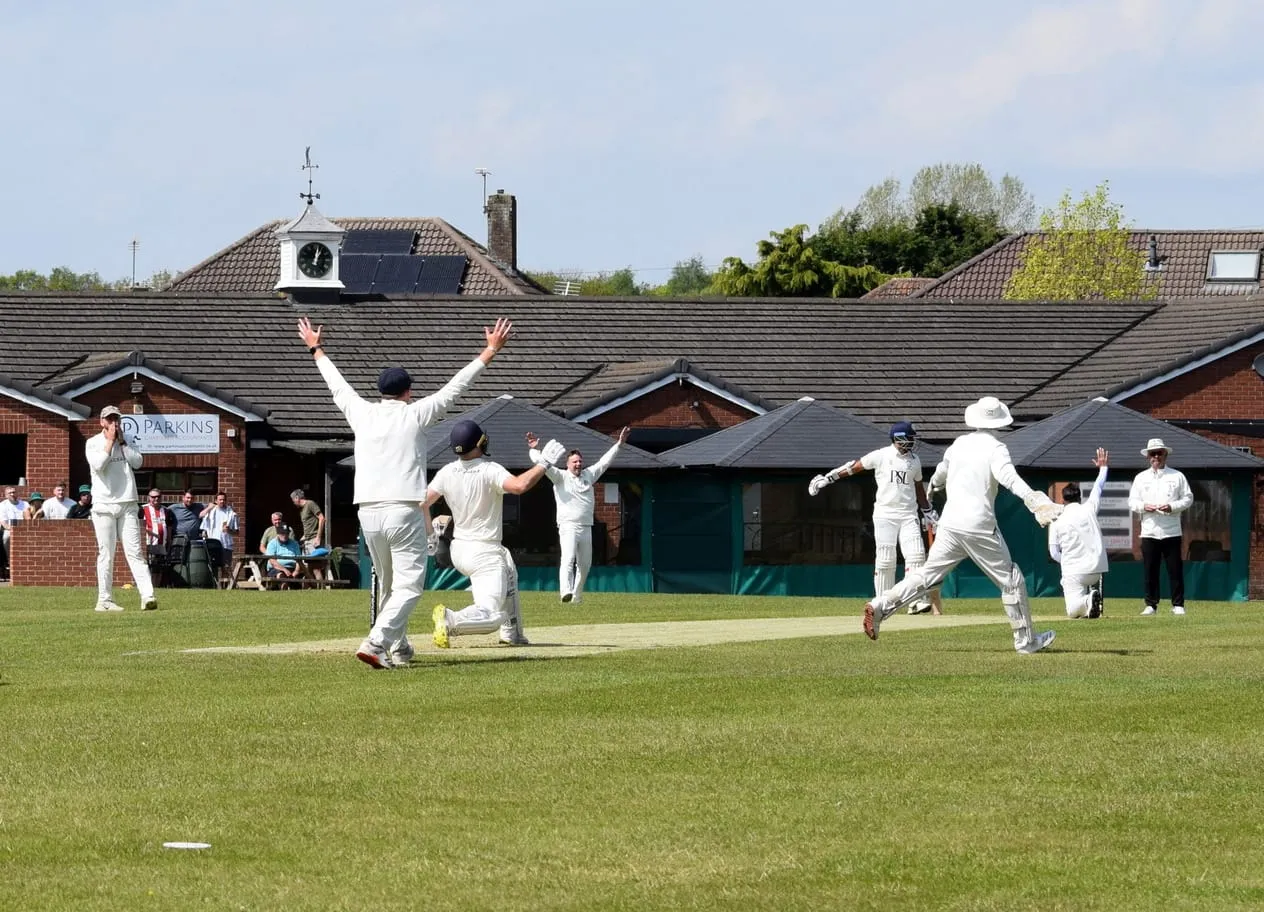
The latest UK heatwave is a not-so-subtle reminder that extreme temperatures are here to stay.
They are not a freak outlier nor anything we should be surprised about – and yet, I tend to react with incredulity every time the mercury dips above 30°C. At least it’s been cooler in Yorkshire than the South coast (37°C at the time of writing).
I’ve been coping with the toasty climate mainly through the medium of ice-cream. Our cat, Tigs, has told me in no uncertain terms that it is unacceptably hot and I should find a solution.
By the time you read this, it may well have cooled down but the problem won’t go away. It’s more about how to learn, plan and adapt – which is when we might consider the effects for grassroots cricket.
Start times
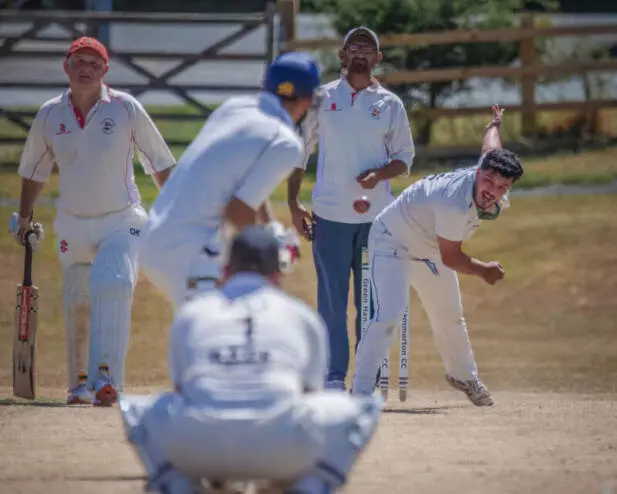
I don’t know the rules of all of the senior cricket leagues in Yorkshire around hot weather but usually games have to start at a uniform time. I get that for a sense of fairness yet until relegation and promotion battles sharpen their focus in late September, flexibility makes more sense.
Start earlier when it’s a lot cooler as long as both teams agree. There are many practical caveats here from the typical volume of cricket played in the morning at cricket clubs to shifting start times affecting those who work.
One of the by-products of so much cricket is that there is less room for manoeuvre to re-jig matches because of the heat.
Of course, this heat might not be a big deal to some, grateful that the sun is back blazing after an oscillating summer. In Bingley, we have had a daytime high of 12°C and 31°C in less than a month.
Formats
While you can’t usually play a shorter game (for formal league and cups) just because it’s roasting, there is an argument that says fewer overs gives a greater window to shift start times, allows a better chance of matches to conclude and may be more appealing to those who can’t commit to a full season.
Too hot to play?
There’s been a bit of debate about if or when you call off games and training – particularly for juniors. We all have different attitudes to heat but the ECB’s Extreme Weather Guidelines for Recreational Cricket is a framework for clubs to refer to.
I’m sure there’s a reluctance to cancel anything, particularly when the weather can wipe out fixtures due to rain too – but nor should we ignore the genuine health risks of extreme heat.
Pitches
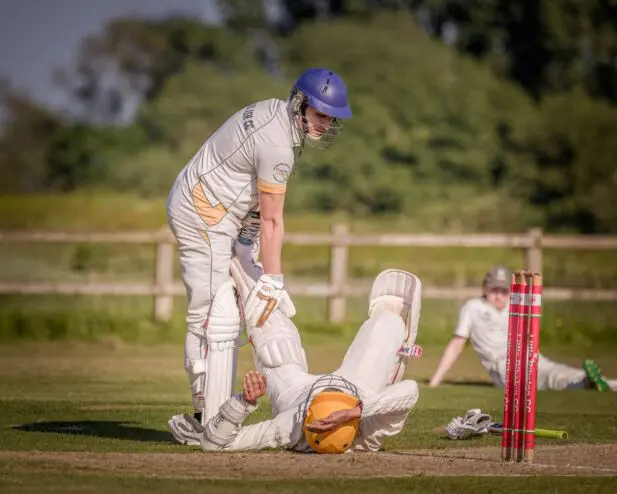
It’s probably not just the pitch cracking up as the earth is baked to rock. Spare a thought for all those who prepare the grounds at cricket clubs in the UK. It’s a role that takes many hours in the sun. That grass doesn’t cut itself.
I’m curious how the weather is changing our cricket pitches – literally – at grassroots? That may be in how they behave and therefore generate more pace, spin and bounce or how they’re looked after.
Shading it
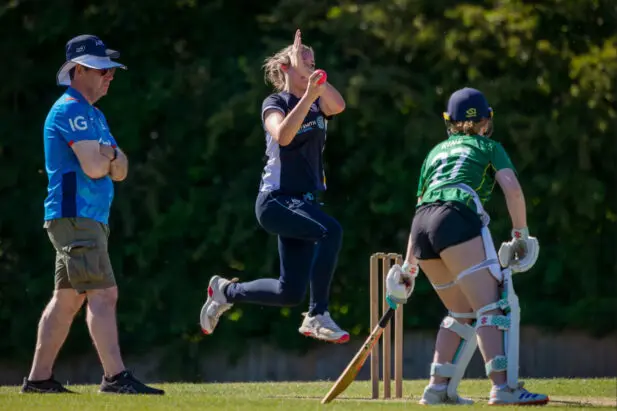
Many cricket grounds have little or no shade. You might see parasols at picnic tables – and there’s always the option to head indoors – but creating more shaded areas for spectators feels as if it’s win-win.
But ultimately, we’re talking about volunteer-led, community sport so it’s a balance between factors such as need and cost, time and use. Just because I would love it if all cricket grounds had shade to protect my pasty complexion doesn’t mean that’s going to happen.
That said, this issue will keep circling back round again, maybe even before the end of this cricket season. It’s not unreasonable to explore, with curiosity, what we might do differently.
What do you think?
What changes would you make to recreational cricket to factor in heat? Is it all a lot of fuss over nothing? (We’d have to disagree on that but all opinions welcome).
If you’re a player, club, coach or parent, is it more about common sense (headwear, sunscreen, regular hydration) or does recreational cricket need to make bigger changes?