Sport England’s potential removal as a statutory consultee for planning applications would seriously impact communities and grassroots sport in future.
A petition by Lisa Wainwright MBE, opposing any such move by the UK Government, has attracted 33,000+ signatures and ends on 21 February. It states:
‘We think removing Sport England as a statutory consultee would remove vital safeguards which protect playing fields and pitches from development, reduce its capability to advise/support local authorities, and secure adequate provision of essential community sports facilities.’
The petition has now hit a threshold whereby the UK government (who are consulting on reforms to the statutory consultee system) were required to respond – which they did on 8 January 2026.
You can read that response in full on the petition page but edited highlights include the fact that no decision has been made yet and ‘the government is committed to ensuring that our playing field capacity is protected and extended.’

Why is Sport England important in club cricket?
Now, I am looking at this through the prism of club cricket but this would affect any playing fields, pitches and community sports facilities.
As a statutory consultee, Sport England must currently be consulted, if anyone wants to develop on a playing field in England. Their research shows that 94% of all concluded planning applications involving playing fields resulted in the protection or improvement of facilities.’
Sport England can – and do – object when planning applications for housing impact playing fields (including cricket). So, why is this happening and what is the impact in recreational cricket?
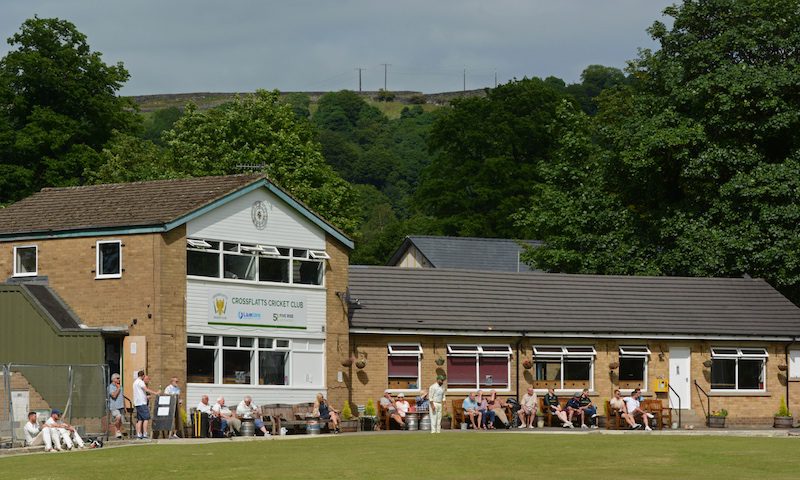
The PM and Crossflatts Cricket Club
In 2025, I reported on the curious case of the Prime Minister and sixes at Crossflatts. In his speech from 13 March, he referenced the role Sport England had in objecting to 139 homes being built next to Crossflatts Cricket Club. It was on the basis that ‘the ball strike assessment doesn’t appear to have been undertaken by a specialist qualified consultant.’
When the need for new housing is as urgent as it is, I understand the political pressure and frustration. However, there could not be a worse example to mistakenly highlight than Crossflatts.
To my mind, it demonstrates perfectly why Sport England’s role is so crucial in standing up for grassroots sport. Cricket is a game where the very real risk of a cricket ball causing injuries and damage to property requires protective measures.
In addition, there are countless situations where building work affects anything from drainage to the risk of noise pollution where cricket facilities and activities already exist.
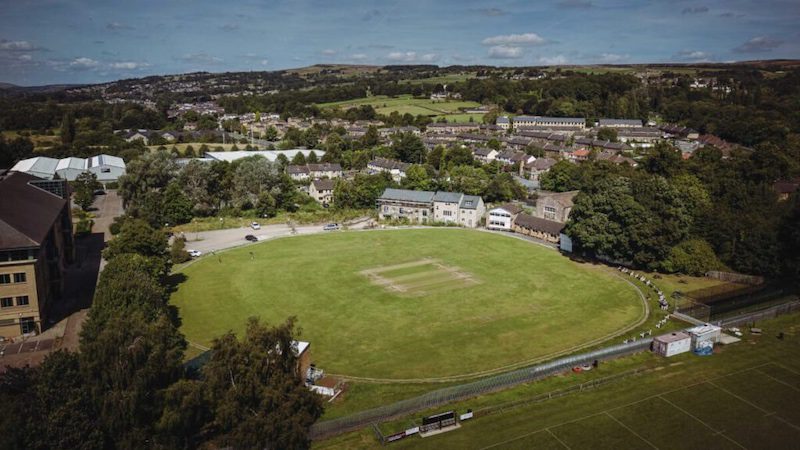
Crossflatts Cricket Club has three separate housing-related cases that have rumbled on over years causing enormous cost and stress. They relate to houses built too close to the pitch, the height of ball stop netting and other issues.
Talking to the cricket club myself recently, they reiterated that safety is their primary concern. They’re not opposed to new housing – but it’s the club’s responsibility to provide a safe environment for members and spectators.
Stripping Sport England of their powers relating to planning would adversely affect public health and risk losing more sports grounds.
Cricket clubs rely on Sport England to support them. Anything other than official statutory consultee status undermines that and risks housing being constructed without the appropriate safeguards.
Their role is a broad one within planning including advice on design and Section 106 (S106) agreements that mitigate new developments through funding for local infrastructure.
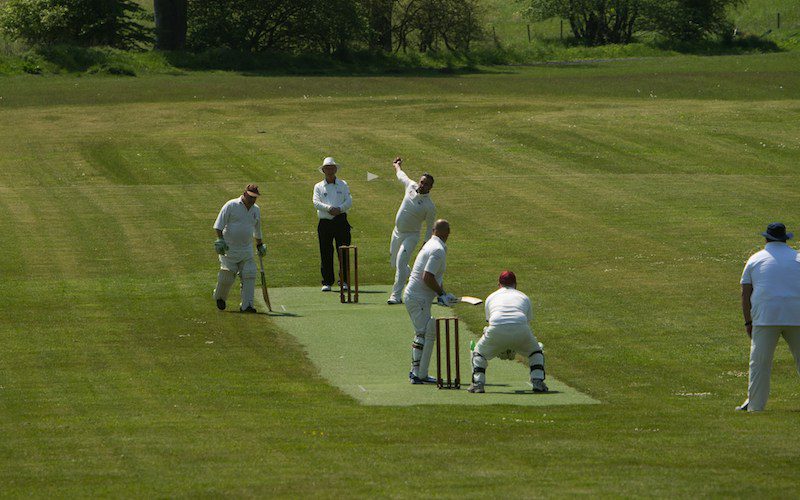
Examples of Sport England helping in cricket
There are other cases across club cricket that are at a sensitive stage or where the involvement of Sport England has resolved a dispute. It’s not just grassroots clubs that they help either but as a conduit between councils, developers and community groups. Sport England’s media team provided me with examples to demonstrate the scope.
On Loxley’s Black Lane in Sheffield’s suburbs, re-grading and drainage works to the playing field for new football pitches would have displaced the cricket club.
Ultimately, funding for a non-turf artificial at Totley Bents Recreation Ground ensured cricket could continue elsewhere while football facilities were upgraded at Loxley.
Sport England are continually involved across the country with past cases such as Burnopfield Cricket Club’s relocation, with the former ground sold for housing. Meanwhile, Winslade Park in Devon saw the return of cricket to the site after a parkland development.

Even in its current capacity, councils don’t always inform Sport England about housing developments. In those cases, there can’t be due diligence around how the work affects recreational sport. That impact is only going to increase, if Sport England’s official capacity as a consulted body is diluted or removed.
At Holmbridge Cricket Club, dwellings were built next to their ground. The cricket club is still retrospectively trying to get a ball stop net to protect those dwellings. Where is the incentive for developers to do that afterwards?
Leave the politics aside
I’m not interested in the politics of this. Regardless of what colour the party is, this would be a bad idea. It might speed up construction of houses by removing an obstacle or two – but there are consequences.
If you read this website regularly, you’ll know I discuss the lack of available cricket grounds as a significant roadblock, amid growing participation. Before Sport England had its current consultee status, we lost 10,000 playing fields in the previous decades.
Out of curiosity, I did reach out to my local member of parliament (Anna Dixon, MP for Shipley) for her thoughts but have yet to hear back. I’ll be happy to add those to this article if she does.
At a very human level, this is likely to add extra involvement and burden on staff at the ECB, county boards and foundations and, of course, the volunteers at cricket clubs.
Ultimately, this isn’t about opposition to housing but ensuring recreational sport is protected.

Ways to get involved
Signing the petition takes less than a minute. It won’t get to 100,000 signatures whereby this will be considered for debate in parliament but numbers – and opposition – carries weight. Please share this article if you can spare a moment.
Thanks for reading – you’re welcome to leave a comment below – and here are Cricket Yorkshire’s headlines, if you want to explore more.

- Best Cricket Bats: Cricketers Guide [2026] - March 23, 2026
- Scarborough Cricket Club: Turning the tide at North Marine Road - March 19, 2026
- How Muff Field Cricket Club prioritises sustainability - March 16, 2026

The question to ask any cricket club wishing to develop in the areas of quality facilities, creating junior, women’s and disability sections is “what is your security of tenue” This can start some interesting discussions with a land owners but needs to be had. Secondly here in the Tyneside area we have lost 20 cricket facilities over recent years. Resulting in the loss of adult teams. A trend in the wrong direction. Losing Sport England with real teeth to en sure community facilities are protected and increased as part of build plans is essential.
Thanks Nick. Security of tenure is that rumbling storm for many clubs but one that they don’t always realise is problematic – until they do!
I didn’t know about NE cricket grounds in recent years. That’s a lot. Imagine that’ll be for various reasons but not a trend anyone wants to see.
What would you to happen in future if SE isn’t currently working?