Interviewing Richard Wilkinson, the Yorkshire Cricket Foundation’s Head of Clubs and Leagues, gave a chance to dive into the organisation’s strategy and thinking.
I have partnered with the YCF (formerly Yorkshire Cricket Board) for well over a decade to share insights, interviews and programmes from across the region.

2026 is a year of change with last year’s formation of the Foundation as one entity, allied with a new Managing Director (Shariq Mumtaz) then a fresh restructure of roles. The hyper-local approach to staff, planning and delivery is intended to best support the Yorkshire recreational game.
Richard Wilkinson discusses what’s changed, what it means for clubs and leagues, and where it’s all heading next:
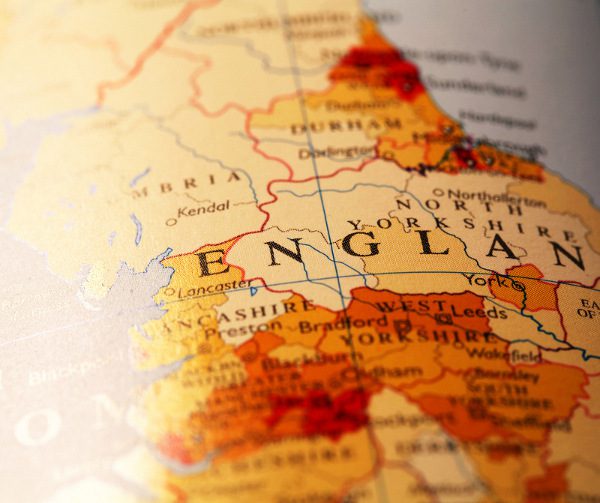
- The YCF restructure: four regions to eight
- Listening to clubs
- Backing volunteers for the long haul
- What’s next for Yorkshire’s clubs and leagues?
Four to eight regions
We begin with a discussion of how the YCF has reshuffled its focus and personnel. I know it sounds a little dry but affects hundreds of clubs, thousands of volunteers and tens of thousands of players, scorers, tea-makers, umpires & coaches, to name a few.
For Wilkinson, it is a step up from North Yorkshire & Tees Valley to oversee the whole picture.
The key shift here is building relationships on the ground – as literally defined by postcode in the YCF Structure released back in April:
“It’s allowing us to really be more targeted and localised in our approach. We can offer bespoke support to clubs and leagues in the various areas and to certain demographics too.”
That level of transparency did get me nodding away. On my travels, I sometimes hear that clubs or leagues don’t know who to reach out to at the YCF. Well, unequivocally, now there’s real clarity there.
Listening to clubs
The YCF remit, as governing body of recreational cricket in the county, includes up to 800 cricket clubs and, at the last count, 61 cricket leagues.
Naturally, that geographical and numerical scope brings tough decisions but Wilkinson talked about a need to understand clubs’ governance and structural needs.
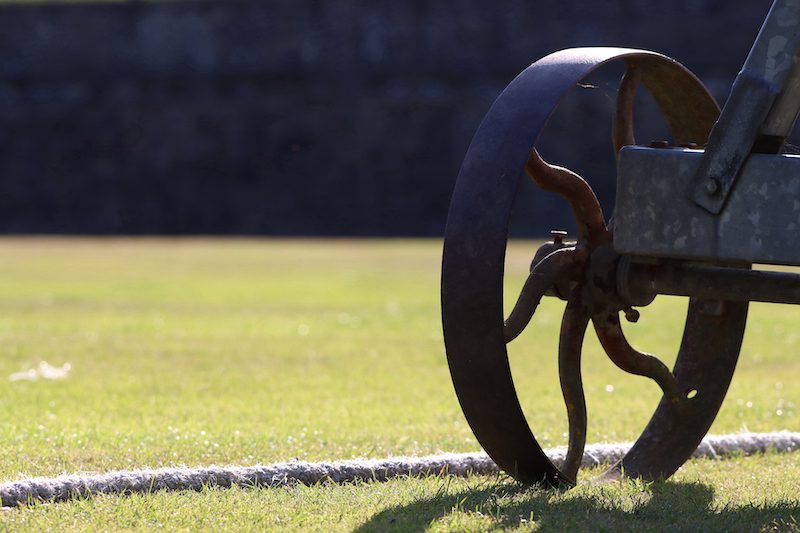
Volunteers often – and reasonably – deal with the here and now first. Our mower needs more TLC than a puppy. Our ageing sightscreens were redistributed all over Bradford in the last storm.
The YCF want consistent support for clubs and leagues though there is a degree of reality as to what they can do.
However, by knowing how clubs run, the Yorkshire Cricket Foundation can serve communities better, along with clearer communication and everyone on the same page.
An individual ‘Club Support Framework’ for each club will be tailored accordingly.
A Hallam obviously differs from a Hartshead Moor in size, facilities, needs today and requirements in a year or five.
Clubs already look ahead in all kinds of ways and are well versed in development plans but assessing and refreshing them is what the YCF can advise on. The governing body has the wider context to potentially save time, effort and cost.
We touch on the fragility of some cricket clubs in Yorkshire, given how only a few volunteers may run the whole operation from knowing a combination lock on the shed to how to fix a boiler quirk.
Richard, pictured below right playing for Wombwell Main, said: “I’ve met some unbelievable people in the amount of work they do. But you think, my God, what happens if that person’s not there? It can all fall down.”
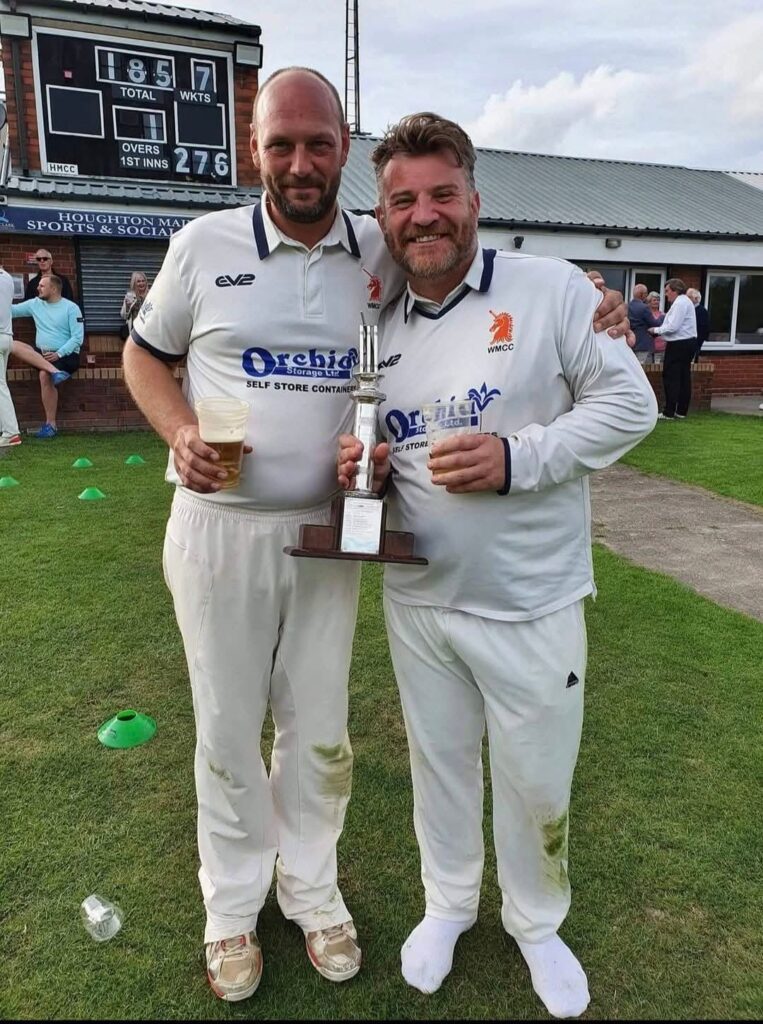
He cites his own dad, a stalwart at Wombwell Main years ago, along with a few others: “I remember when he passed away and the club felt like they’d lost an arm. It does take a while to recover and to bounce back.”
However, the collective will at the YCF is there to guide clubs, whatever their means. Richard said:
“We want to be in a position in the next couple of years that we’ve contacted every single club and offered support in whatever capacity that may be.”
Hence why it’s crucial to meet clubs face-to-face, understand them better and match what’s pressing with what’s possible.
Wilkinson did acknowledge the “some clubs get more” perception in certain quarters but stressed that it may be true in some circumstances but there’s reasoning and nuance as to why that might have been.
If we return to geography for a moment, Richard makes the point about unilateral help and assisting clubs of all shapes and sizes.

Regarding North Yorkshire as an example: “We’ve spoken to 50 or more small, rural or isolated village clubs that may never be able to achieve a certain number of teams or access certain funding.”
He continued: “But, we’ve got a group of people who put back into their communities and impact a number of families. What can we do to help or signpost?”
An example came from the Movement, Activity and Sport Investment Programme, launched by David Skaith, Mayor of York and North Yorkshire. The Helperby and Brafferton Sports Association secured a £49,999 grant towards a pavilion extension.
We wrap up with a thought on the power and potential at grassroots (Wilkinson describes Yorkshire cricket as “the biggest cricket brand in the world”).
The YCF’s strategy, a New Horizon, outlines their vision until 2030: “YCF will be recognised as a force for positive change using cricket to inspire healthier, happier and more connected.”
Clubs and cricket leagues will continue to remain a vital part of that vision.
Contact the Yorkshire Cricket Foundation
Thanks for reading – You can learn more about the Yorkshire Cricket Foundation on yorkshirecricketfoundation.com.
They are also YCF on Facebook and you can follow the YCF on Instagram too.
This is Partner Content for Yorkshire Cricket Foundation – if the mood takes you, click to read Cricket Yorkshire’s policy on Partner Content.

- I went looking for cricket and made new friends instead - September 30, 2026
- Todmorden to Harrogate: Bespoke Scoreboards in 2026 - September 28, 2026
- Non-turf pitches: A problem solved for 2027 - September 23, 2026
